
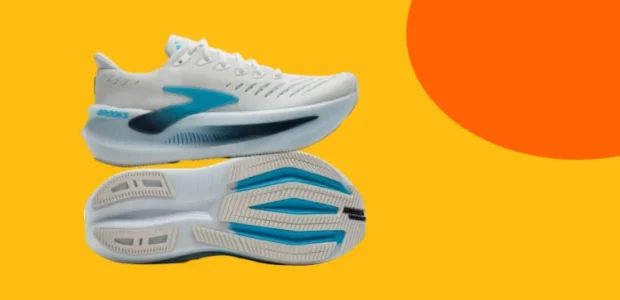

Picking the right Brooks running shoes does not have to be complicated. Start by thinking about your feet and how you run.
First, figure out your foot type. Do your feet roll inward when you walk or run? This is called overpronation. If so, look for Brooks stability shoes. They give your feet extra support and help keep you aligned. If your feet stay fairly neutral, a cushioned neutral shoe will work great for you.
Next, think about how far you run each week. More miles mean your feet need more cushioning. A well-cushioned shoe absorbs impact and reduces fatigue over long distances. Shorter daily runs may not need as much padding, so a lighter shoe might feel better.
Also consider where you run. Road running shoes work best on pavement and sidewalks. Trail running shoes have grips on the bottom to handle dirt, rocks, and uneven ground. Using the right shoe for your surface keeps you safe and comfortable.
Finally, always try the shoes on before you buy them. Walk around the store. Jog a little if you can. Your toes should have wiggle room, and your heel should feel snug without slipping. A good fit makes a big difference over many miles.
Take your time choosing. The right Brooks shoe will keep your runs feeling good and help protect your body for the long haul.
Why Brooks Running Shoes Are Popular for Daily Runs
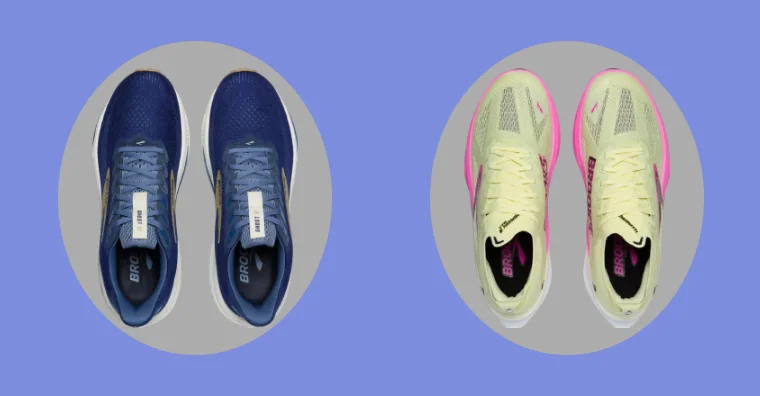
When you lace up a pair of Brooks running shoes, you’ll notice right away that they’re built for comfort and steady support through every mile.
Brooks designs each model with different running styles in mind, so you can find a shoe that matches your stride and training routine.
Whether you overpronate, run neutral, or need extra cushioning, Brooks offers options that keep your daily runs feeling smooth and controlled.
Focus on comfort and support
Running every day is tough on your body. Brooks shoes are made to help you handle it. The soft cushioning soaks up the impact of each step. This takes pressure off your feet and legs.
Brooks cushioned running shoes protect your feet while still letting you feel the ground beneath you. Their stability running shoes keep your foot in the right position as you move. This helps lower your risk of injury from repetitive motion.
No matter how fast or slow you run, the comfort stays steady. On longer runs, that support really matters. It keeps your legs from wearing out too soon and helps you keep going strong.
Designed for different running styles
Brooks makes shoes for different types of runners. Your foot type matters more than you might think. The right shoe can make your runs feel easier and more comfortable.
Some runners overpronate, meaning their feet roll inward too much. Brooks stability shoes help fix this without feeling stiff or uncomfortable.
Other runners have a neutral stride, meaning their feet land more evenly. For them, Brooks offers lightweight shoes that let the foot move naturally.
Brooks also builds shoes for everyday road running and light trail use. This means you don’t need a separate pair for every surface. One good pair can handle most of your weekly miles.
The best way to pick the right shoe is to know your foot type first. This saves your time and keeps you from buying the wrong fit.
A little research upfront goes a long way on the road.
Know Your Running Needs Before You Choose
Before you pick a pair of Brooks shoes, you’ll want to inspect how and where you run. Your foot type, weekly mileage, and training goals all shape the level of support and cushioning you’ll need.
Whether you’re logging easy miles on pavement or tackling trails, matching the shoe to your running surface makes a real difference in comfort and performance.
Distance and running goals
How far you run each week makes a big difference in the shoes you need. Short runs are easier on your feet. You don’t need a lot of extra cushioning. A shoe that feels light and responsive works well for those runs.
But longer runs are a different story. If you run many miles each day or train for a race, you need more support. Daily trainer shoes are built for this. They’ve strong cushioning that holds up over time and helps protect your knees and joints.
Your goals matter just as much as your mileage. Racing calls for light, fast shoes that help you move quickly. Training runs need shoes that can handle heavy use without wearing down fast.
Think about what you’re working toward before you pick a shoe.
Choosing the right shoe for your foot type and your goals keeps you running strong. It helps prevent pain and injury. The right fit means you can train longer and make steady progress.
Foot type and support level
Your foot type matters more than you might think when picking the right Brooks shoe. It shapes how well the shoe supports you and helps keep injuries away.
Watch how your foot moves when you run. If it rolls inward too much, then you overpronate. Stability shoes fix this issue. They provide extra support to keep your foot on track.
If your foot lands and moves in a straight, even line, you have a neutral gait. Neutral running shoes work best here. They give you good cushioning without locking your foot into place.
Some runners have high arches. Their feet roll outward instead of inward. This is called underpronation. A cushioned neutral shoe helps absorb the impact and keeps things comfortable.
Here is a simple breakdown to help you match your foot type to the right shoe:
| Foot Type | Gait Pattern | Recommended Support |
|---|---|---|
| Neutral | Balanced strike | Neutral shoes |
| Overpronated | Inward roll | Stability shoes |
| High arch | Underpronation | Cushioned neutral |
Knowing your foot type is the first step. The right shoe does the rest.
Running surface matters
Where you run matters just as much as how you run.
Paved roads and dirt trails place different demands on your feet. Road running shoes work best on smooth, even surfaces. They offer cushioning and flexibility to handle pavement mile after mile.
Trail running shoes are built for rough, uneven ground. They’ve deeper grip patterns on the bottom to keep you stable on loose dirt and rocks.
Think about where you spend most of your time running. That one question points you to the right shoe.
Here is a simple breakdown based on surface type:
- Pavement calls for cushioning and flexibility
- Trails need strong grip and deep lugs for traction
- Mixed surfaces work best with a versatile outsole
- Wet ground requires a slip-resistant grip
- Rocky paths need a hard plate built into the sole to protect your feet
Using the wrong shoe for the wrong surface creates problems fast. Trail shoes feel stiff on the road. Road shoes offer little grip on muddy or rocky paths.
Either way, your joints take the hit.
Match your shoes to your surface. Your feet will feel better, and your shoes will last longer.
Key Features to Look for in Brooks Running Shoes
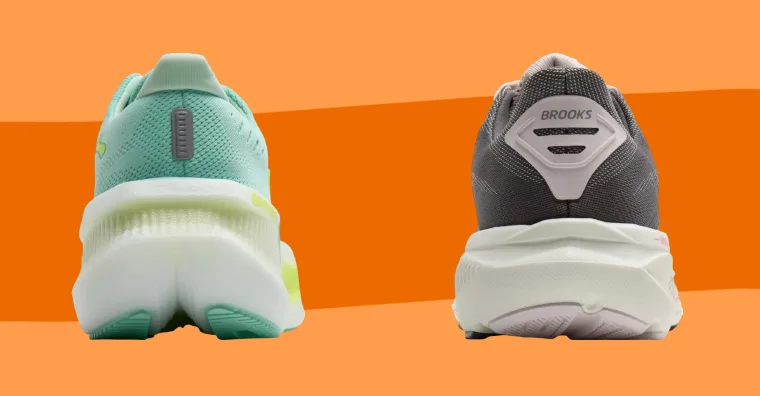
When choosing Brooks running shoes, you’ll want to focus on three key features: cushioning, fit, and breathability.
The right cushioning absorbs impact and keeps you comfortable over long distances, while a proper fit prevents blisters and supports your stride.
Look for breathable materials that wick moisture and keep your feet cool, especially during intense or extended runs.
Cushioning and comfort
Cushioning makes a big difference in how your Brooks shoes feel, especially over many miles. The right cushioning level helps you train more often without putting extra stress on your body.
Your needs will guide your choice. Soft, cushioned midsoles soak up impact on long runs and protect your legs from fatigue. Balanced cushioning works well for everyday training because it offers both comfort and support. If you run shorter routes, lightweight trainers can help your feet feel less tired by the end.
Fit and feel matter too. Breathable running shoes keep your feet cool, which adds to your overall comfort. And if you prefer a snappier, more responsive ride during faster workouts, firm midsoles give you that ground feel without too much give.
Think about how many miles you run each week. Match that to the right cushion level, and every run will feel better from start to finish.
Fit and sizing
A tight toe box causes blisters and black toenails. Your heel should feel locked in and secure with no slipping. Good running shoes feel stable from the very first step.
Here is a simple tip: try your shoes on. Your feet swell slightly by then, so you get the most accurate fit.
Breathability and materials
Breathability matters more than most runners think. The right materials can change how your whole run feels.
Mesh uppers keep air moving around your feet the whole time you run. This stops your feet from getting too hot, even on long routes. Lightweight fabrics also pull sweat away from your skin, so you stay dry and comfortable.
A lighter shoe does more than just feel good. It puts less stress on your legs and lets you move in a more natural way.
Over time, this helps you run with better form and less effort.
When your shoes breathe well, you can focus on your run instead of your feet. Good ventilation and smart materials work together to keep you feeling fresh from the first mile to the last.
Popular Brooks Running Shoe Types to Consider
When choosing Brooks running shoes, you’ll find three main types worth considering: neutral, stability, and cushioned.
Neutral shoes work best if your feet don’t overpronate, while stability shoes offer added support if they do.
If you need extra impact absorption, cushioned shoes can help reduce strain during longer runs.
Neutral running shoes
These shoes add cushioning where you need it most. This helps cut down on the wear and tear that builds up during long runs. Your feet stay comfortable, and your body stays balanced.
If your feet roll inward or outward more than normal, you may need extra support. But if your gait is fairly even, neutral shoes are a great fit. They give your stride room to move freely and naturally.
Day after day, these shoes hold up well. They’re built for regular use and consistent mileage.
Whether you run a few miles a week or several, neutral shoes keep up with your routine.
Stability running shoes
You may notice pain in your knees, hips, or lower back after longer runs. Poor foot alignment is often the cause. Stability shoes help fix this by keeping your stride steady and controlled. This means less stress on your joints.
These shoes become even more useful as you run longer distances. Your muscles get tired, and it gets harder to maintain suitable form. A stability shoe helps hold everything in place so your body stays aligned even when fatigue sets in.
Cushioned running shoes
These shoes work especially well for easy recovery runs. When your legs feel tired or sore, the extra padding gives them a chance to rest while you still move. Your body recovers faster because each step feels smooth and forgiving.
If your feet need a break, cushioned shoes are a simple way to keep running without the wear and tear.
Tips for Choosing the Right Pair for Daily Miles
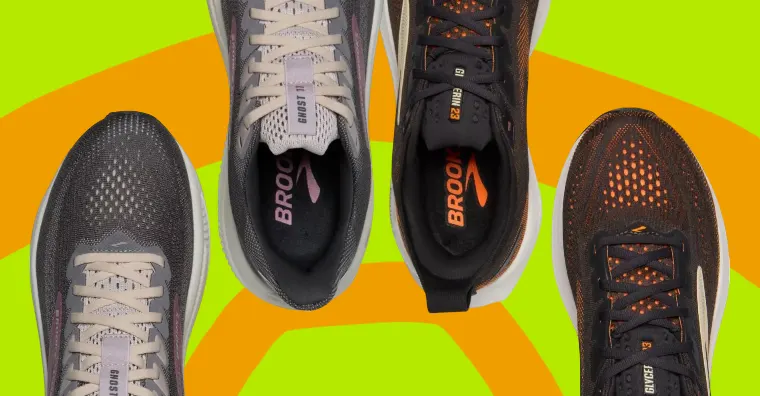
When picking your next pair of Brooks, always try them on and run a few steps to check for comfort and fit before committing.
Match the shoe’s features to your actual routine, whether you’re logging easy recovery miles or tackling back-to-back long runs.
Once your shoes hit 300–500 miles, it’s time to replace them, since worn midsoles lose cushioning and can increase your injury risk.
Try before you decide
Always try shoes on before you buy them. Walk around the store and see how they feel when you actually move. A shoe might look great but feel terrible the moment you take a step.
While you test them, pay attention to a few things:
- Walk and jog around the store
- Make sure your toes have enough room to move
- Check that your heel feels secure and doesn’t slip
- Look for any spots that pinch or rub
- Notice how the shoe feels during natural movement
Looks matter little if the fit is wrong. Your feet will give you honest feedback.
A minor discomfort during a quick test will turn into actual pain on a long run. So trust what you feel and take your time before you decide.
Match shoes to your routine
Once you know how a shoe feels, think about how you actually run. Your routine matters just as much as the fit.
Do you run on pavement every day? You need a shoe built to handle hard surfaces and give steady cushioning mile after mile.
Do you spend more time in the gym? Go for something lighter that works well for different types of movement.
Are you training for long distances? Look for additional support. It helps protect your body when you push through those bigger runs.
The key is simple. Match the shoe to what you actually do. A shoe made for casual wear won’t hold up if you train hard and often.
The right shoe for your routine keeps you comfortable, reduces strain, and helps you perform your best.
Replace shoes at the right time
Even the best Brooks shoes wear out. When they do, they stop supporting your feet the way they should. That puts extra stress on your body and raises your risk of injury. Knowing when to swap them out keeps your training on track.
Look for these signs that your shoes are worn out:
- The midsole feels flat or packed down
- The bottom shows heavy or uneven wear
- The upper fabric is torn or stretched out
- Your feet, knees, or hips ache for no simple reason
- You have 300 to 500 miles on the pair
Most runners wait too long. They hold on to old shoes until pain forces them to act. By then, the damage had already been done.
Replace your Brooks before that happens. Fresh shoes protect your body and help you train at your best.
Common Mistakes to Avoid When Buying Running Shoes
When buying Brooks running shoes, you’ll often make the mistake of choosing style over comfort, which can lead to pain and poor performance.
You should also avoid ignoring your foot type, since the wrong support can strain your joints and throw off your stride.
Finally, don’t rely on a single pair for all your runs, as using one shoe for every workout speeds up wear and reduces the protection your feet need.
Choosing style over comfort
Brooks makes shoes that look great. They come in bold colors and sharp styles.
But don’t let looks make the choice for you. A shoe that fits right will always beat one that just looks cool.
Focus on these fit basics instead:
- Good arch support that matches your foot type
- Enough room in the toe box so your toes don’t rub and blister
- Cushioning in the heel to soften each landing
- A snug mid-foot fit so your foot doesn’t slide around
- The right sole thickness for where you run most
Style stops mattering fast when your feet hurt.
Pick the shoe that supports your stride, protects your joints, and keeps you out on the road longer. That choice will always serve you better than picking the one that just looks the fastest.
Ignoring foot type
Knowing your foot type matters more than most people think. If you skip this step, you could end up with pain or even an injury.
Brooks makes shoes for different foot types. These include neutral feet, feet that roll inward (overpronation), and feet that roll outward (underpronation).
Wearing the wrong shoes works against the way you naturally walk or run. That leads to discomfort fast.
The good news is that figuring out your foot type is simple. You can visit a running store and ask for a gait analysis. Or you can try the wet foot test at home. Just wet the bottom of your foot and step onto a piece of paper. The shape of the print tells you a lot about your arch type.
Once you know your foot type, matching it to the right Brooks model becomes much easier. The right shoe supports your stride instead of fighting it.
That one step can save you a lot of pain down the road.
Using one pair for all runs
Even after finding the right shoe for your foot type, there’s still a common mistake that can slow you down.
That mistake is using the same pair for every single run. Different runs place different demands on your feet. One shoe simply can’t handle all of them well.
The smart move is to rotate your shoes based on the type of run you’re doing.
Here is how to match your shoes to your workout:
- Easy runs need a cushioned shoe with a forgiving fit
- Long runs call for maximum support and durability
- Speed workouts require a lightweight shoe with a responsive feel
- Trail running needs a grippy outsole and a protective upper
- Recovery runs benefit most from soft, low-impact cushioning
Brooks makes shoes built for each of these needs.
Using the right pair for the right run helps you train better and stay healthier.
Final Thoughts on Brooks Running Shoes
Picking the right Brooks running shoes comes down to two things: fit and comfort. Everything else is secondary. Find a shoe that matches how you run and what you want to achieve. That way, each run feels smooth.
Do not let looks drive your choice. A great-looking shoe means nothing if it doesn’t feel right on your foot. Focus on how the shoe supports your movement and handles your training load.
A good fit also protects your body. The right pair reduces stress on your joints and muscles. This matters even more than your mileage grows. The longer you run, the more your shoes have to work for you.
Take your time when testing options. Walk around. Jog if you can. Pay attention to how each shoe feels from heel to toe. Your feet will tell you what works.
The right Brooks shoe doesn’t need to be complicated. It just needs to feel good, support your goals, and make every mile worth running.
Frequently Asked Questions About Brooks Running Shoes
1. What are Brooks running shoes best for?
Brooks running shoes are made for daily runs, long-distance training, and comfort. They offer soft cushioning and steady support. Many runners use them for road running and regular workouts. These shoes help reduce impact and keep your feet comfortable during daily miles.
2. How do I choose the right Brooks running shoes for my feet?
Start by checking your foot type and running style. Neutral runners can choose standard models, while others may need stability support. Think about your running distance and surface. This helps you pick Brooks running shoes that fit well and support your daily training.
3. Are Brooks running shoes good for long-distance running?
Yes, Brooks running shoes work well for long-distance runs. Many models focus on cushioning and comfort. This helps reduce strain. They are a good choice for runners who train often or run longer distances on the road.
4. How long do Brooks running shoes last?
Most Brooks running shoes last between 500 and 800 kilometers. This depends on how often you run and the surface you use. If the cushioning feels flat or the sole looks worn, it is time to replace them. Good shoes help prevent discomfort and support better performance.
5. Can I use Brooks running shoes for daily wear and workouts?
Yes, Brooks running shoes are suitable for daily wear and light workouts. They are built for comfort and ease of movement. Many people use them for walking, gym sessions, and casual wear. They work well as everyday running shoes with reliable support.